
E-Way Bill Distance Calculator: How Distance Rules Affect Validity and Compliance

Key Highlights:
- An e-way bill's validity period is directly tied to the distance the goods need to travel, making it essential for logistics teams to calculate distance accurately before generating the bill.
- Under current GST rules, an e-way bill is valid for one day for every 200 kilometers of travel for regular cargo, and one day for every 20 kilometers for over-dimensional cargo.
- Incorrect distance entry is one of the most common compliance errors in Indian logistics, and it can lead to penalties, detained shipments, and GST scrutiny.
- E-way bill validity can be extended before it expires, but the extension process has specific rules and time windows that shippers and transporters must follow carefully.
- Understanding how distance rules work helps manufacturers and logistics teams plan shipments better, avoid compliance failures, and keep supply chains moving without interruption.
Why Distance Rules in E-Way Bills Matter More Than You Think
For most logistics teams, generating an e-way bill feels like a routine task. You enter the details, generate the document, hand it to the driver, and move on. But one field in that process carries more compliance risk than almost any other: the distance field.
The distance you enter when generating an e-way bill determines how long that bill remains valid. Enter a distance that is too short, and your shipment could become non-compliant before it reaches its destination. Enter one that is inaccurate, and you risk scrutiny from GST authorities for misrepresentation.
In practice, many logistics teams treat this field as an afterthought. They enter an approximate number, rely on the driver's estimate, or copy a figure from a previous bill without verifying whether it still applies. These small shortcuts create real compliance exposure.
Understanding how e-way bill distance rules work, how validity is calculated, and how to use the distance calculator correctly is foundational knowledge for anyone involved in freight operations in India.
What Is an E-Way Bill and When Is It Required?
Before getting into distance rules, a quick recap for context.
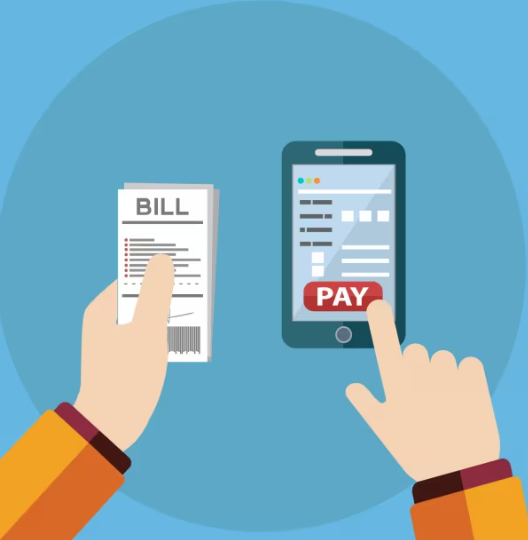
An e-way bill is an electronic document required under India's GST framework for the movement of goods worth more than Rs. 50,000. It must be generated on the government's e-way bill portal before the goods begin moving, and it must accompany the shipment throughout its journey.
The e-way bill applies to movements by road, rail, air, and waterways. It is required for both inter-state and intra-state movement of goods, though some states have set different thresholds for intra-state applicability.
The bill contains details about the supplier, the recipient, the goods being transported, the vehicle being used, and the distance to be covered. Of these, the distance field directly determines how long the bill stays valid.
How E-Way Bill Validity Is Calculated Based on Distance
The validity period of an e-way bill is calculated from the moment it is generated, not from when the vehicle starts moving. This is an important distinction that many shippers overlook.This means validity continues to run even if the vehicle has not yet started moving, which makes timing and extension planning critical.
Here is how the current validity structure works:
For regular cargo: One day of validity is provided for every 200 kilometers of distance. A shipment traveling 400 kilometers gets two days of validity. A shipment traveling 1,000 kilometers gets five days.
For overdimensional cargo: These are vehicles carrying cargo that exceeds standard dimensional limits. For these shipments, one day of validity is provided for every 20 kilometers, reflecting the slower movement of oversized loads.
In both cases, the validity period begins the moment the e-way bill is generated and ends at midnight on the last valid day.
A few practical examples help illustrate this:
- A shipment traveling 350 kilometers: validity is two days, since the calculation rounds up to the next full day for any distance beyond a complete 200-kilometer block.
- A shipment traveling 600 kilometers: validity is three days.
- An over-dimensional cargo shipment traveling 100 kilometers: validity is five days.
It is worth noting that these rules apply to road transport. For rail, air, and waterway movements, the validity period is generally longer, reflecting the different transit dynamics of those modes.
How to Use the E-Way Bill Distance Calculator

The government's e-way bill portal at ewaybillgst.gov.in includes a built-in distance calculator. This tool allows you to enter the origin PIN code and destination PIN code and get an estimated distance between the two points.
Here is how to use it correctly:
Go to the e-way bill portal and navigate to the search or tools section. Select the distance calculator option. Enter the PIN code of the origin location, which is typically your dispatch point or factory. Enter the PIN code of the destination, which is the delivery address. The system will return an estimated distance in kilometers.
Use this figure when filling in the distance field while generating your e-way bill.
A few important points to keep in mind when using the calculator:
The portal distance is an estimate. It is based on straight-line or mapped road distance between PIN codes, which may not match the actual route the vehicle will take. If your vehicle is taking a longer route due to road conditions, diversions, or multi-stop deliveries, the portal distance may underestimate the actual travel distance.
Always enter the actual travel distance, not just the portal estimate. GST rules require you to enter the distance the goods will actually travel, not simply the shortest possible route. Entering a lower distance to make the calculation look cleaner is a compliance risk.
For multi-state or multi-stop shipments, calculate the total distance. If a single vehicle is making deliveries at multiple points before the final destination, the total distance covered should be reflected in the e-way bill.
Common Distance-Related Compliance Errors to Avoid
Distance errors are among the most frequently cited issues during GST audits and roadside inspections. Here are the mistakes that come up most often.
Entering PIN code distance instead of actual route distance: The portal calculator gives you a straight-line or road network estimate between PIN codes. But if the actual road route is significantly longer, entering the lower portal figure can result in validity expiry before the shipment arrives.
Not accounting for traffic and transit delays: An e-way bill generated on a Monday morning for a two-day journey assumes normal transit conditions. If the vehicle gets delayed due to traffic, vehicle breakdown, or bad weather, the bill may expire before delivery.
Forgetting that validity starts at generation, not dispatch: If you generate an e-way bill in the morning but the vehicle does not depart until evening, you have already used up several hours of your validity window. For shipments close to a validity boundary, this timing matters.
Using outdated distance figures from previous bills: Road distances between the same origin and destination can vary depending on route diversions, new road construction, or changes in delivery addresses within the same PIN code. Always verify the distance fresh for each shipment rather than copying from previous records.
Not generating a separate e-way bill for each consignment: When a vehicle carries goods for multiple recipients, each consignment needs its own e-way bill with the correct distance for that specific delivery.Assuming extension is not needed if the vehicle has not moved: Even if the shipment has not started and the distance covered is zero, the e-way bill validity continues to run from the time of generation. Failing to extend in such cases can still lead to expiry and compliance issues.
How to Extend an E-Way Bill When Validity Is About to Expire
Sometimes shipments take longer than expected. Breakdowns, road closures, natural disruptions, or customs delays can all eat into your validity window. When this happens, the e-way bill can be extended, but there are specific rules around how and when this can be done.
Who can extend: The extension can be initiated by the transporter or the supplier, depending on who generated the original e-way bill.
When to extend: The extension must be done either within eight hours before the e-way bill expires or within eight hours after it has expired. Outside this window, the bill cannot be extended, and a fresh one must be generated, which can create compliance complications.
How to extend: Log into the e-way bill portal, go to the extension option, enter the e-way bill number, provide the reason for the delay, update the vehicle details if the vehicle has changed, and enter the new distance and destination details.There are also practical scenarios where the distance covered remains zero, but the e-way bill still needs to be extended. For example, if a vehicle is delayed at the origin due to loading issues, documentation checks, or operational bottlenecks, the goods may not move at all even though the validity clock has already started. In such cases, extension is still allowed within the permitted time window, since validity runs from the time of generation even if no movement has occurred.
How many times can it be extended: There is no hard limit on the number of extensions, but each extension requires a valid reason and accurate updated information. Frequent extensions on the same bill may attract scrutiny.
The most important thing to remember is that you cannot extend an e-way bill after the extension window closes. Logistics teams need to monitor validity expiry proactively, especially for long-distance or multi-day shipments.
How Technology Helps Manage E-Way Bill Compliance at Scale
For a manufacturer managing dozens or hundreds of shipments at a time, manually tracking e-way bill validity across every consignment is not practical. This is where integrated logistics platforms make a real difference.
Systems that connect directly with the e-way bill portal can automate bill generation, pull accurate distances using PIN code data, send alerts when validity is approaching expiry, and trigger extension workflows before a bill lapses. This removes the reliance on manual tracking and significantly reduces the risk of compliance failures.
When freight management and compliance automation work together in a single platform, logistics teams spend far less time on administrative tasks and far more time on actual operations.
Conclusion
E-way bill distance rules are not complicated once you understand the logic behind them. Validity is tied to distance; distance must be accurate, and extensions have a narrow window. Getting these three things right consistently is what separates a well-managed compliance process from one that regularly creates disruptions.
For manufacturers and logistics teams managing high shipment volumes, building these checks into a structured workflow rather than relying on individual judgment makes all the difference. Platforms like RoaDo integrate e-way bill compliance directly into the freight management process, helping teams generate accurate bills, monitor validity in real time, and handle extensions before they become a problem.
Compliance done well is not a burden. It is simply good logistics.
Frequently Asked Questions
1. How is e-way bill validity calculated based on distance?
Validity is calculated as 1 day per 200 km for regular cargo and 1 day per 20 km for over-dimensional cargo, starting from the time of bill generation.
2. Can I use the portal distance directly for e-way bill generation?
No, the portal provides an estimate. You must enter the actual travel distance based on the route the vehicle will take to avoid compliance issues.
3. What happens if the distance entered is incorrect?
Incorrect distance can lead to early expiry of the e-way bill, resulting in penalties, shipment detention, and increased scrutiny from GST authorities.
4. When can an e-way bill be extended?
It can be extended within 8 hours before expiry or 8 hours after expiry, provided valid reasons and updated details are submitted on the portal.
5. Who is responsible for extending the e-way bill?
Either the transporter or the supplier can initiate the extension, depending on who generated the original e-way bill.
6. Can an e-way bill be extended even if no distance has been covered?
Yes. An e-way bill can be extended even if the vehicle hasn’t moved. Since validity starts at generation, delays like loading or vehicle issues still require extension within the allowed time window.
“Eliminate distance errors and keep every shipment compliant with automated e-way bill tracking and real-time validity alerts. Simplify logistics operations and avoid costly disruptions by managing compliance seamlessly within your freight workflow using RoaDo.”