
How to Automate Truck Allocation Based on SLA in High-Volume Logistics
Key Highlights
- Truck allocation software automates matching the right vehicle to each load using rules and performance data.
- SLA compliance depends on aligning load urgency, route conditions, and carrier reliability before assignment.
- Manual allocation in high-volume logistics is slow, inconsistent, and reduces on-time delivery performance.
- SLA-based automation improves delivery rates while handling India’s fragmented, compliance-heavy logistics environment.
The Hidden Cost of Getting Allocation Wrong
Every logistics operation has a version of the same problem: the need to automate truck allocation based on SLA while matching loads to carriers quickly and accurately.
Truck allocation decisions made under pressure tend to follow the path of least resistance. The dispatcher calls the carrier they spoke to last. They assign the closest available truck without checking whether that carrier has a history of delays on that particular lane. They overlook the fact that a shipment with a tight SLA has been assigned to a transporter whose on-time rate for that route is below 70 percent.
None of these decisions is made carelessly. They are made quickly, with incomplete information, because the volume demands it. The consequences show up later in the form of missed delivery windows, customer penalties, and billing disputes that take hours to resolve.
This is precisely the problem that truck allocation software is designed to solve. Not by removing humans from the process entirely, but by giving them better information faster, and in high-volume settings, by handling routine allocation decisions automatically based on rules the team has already agreed on.
What Automated Truck Allocation Actually Means?
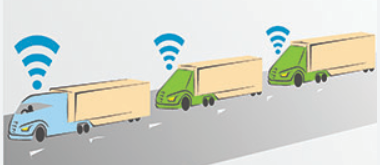
Automated truck allocation is the process of using software to assign vehicles to loads based on a defined set of criteria, without requiring a dispatcher to manually evaluate every option for every shipment.
The criteria can include carrier SLA performance on a specific lane, vehicle type and capacity, geographic proximity to the pickup point, driver availability, and document compliance status. When a new shipment is created in the system, the platform evaluates available carriers against these criteria and either recommends the best match or assigns it automatically, depending on how the workflow is configured.
This is meaningfully different from simply having a digital list of carriers. The value of truck allocation software is in the logic it applies to that list. A carrier might be available and nearby, but if their on-time delivery rate on that lane over the last 60 days is below the SLA threshold, the system deprioritizes them and surfaces a more reliable option instead.
In high-volume operations where a logistics team manages 50 or 100 shipments a day, this kind of automated filtering saves hours of manual evaluation and significantly reduces the chance of a poor allocation decision slipping through.
How SLA Compliance Fits Into the Allocation Logic?
SLA compliance in logistics is the commitment a shipper makes to deliver goods within an agreed timeframe. Maintaining it consistently across a high-volume operation requires more than good intentions. It requires the allocation process itself to be SLA-aware.
In a manual setup, SLA information exists in contracts and email threads. The dispatcher might know which customers have stricter delivery requirements, but that knowledge is not always applied consistently when allocating under pressure. A shipment with a tight SLA might get assigned to a carrier with poor lane-level performance simply because they were the first to respond.
In an automated system, SLA parameters are built into the allocation rules. A high-priority shipment bound for a customer with a strict delivery window is automatically matched with carriers who meet a minimum performance threshold on that lane. Lower-priority loads can be allocated to a broader pool of carriers. The system applies different standards to different shipments without requiring the dispatcher to make that judgment call manually every time.
This is what SLA compliance logistics software does at its core. It encodes the logic that experienced dispatchers use instinctively and applies it consistently across every allocation decision, regardless of volume or time pressure.
The Specific Challenges of a Transport Management System in India
Implementing automated truck allocation in the Indian logistics market comes with challenges that global software solutions often underestimate.
Carrier fragmentation is the most significant one. Unlike markets where a shipper might work with a handful of large carriers, most Indian manufacturers work with dozens of small transporters, many of whom own fewer than five trucks. Managing allocation across this fragmented network manually is nearly impossible at scale.
Compliance complexity adds another layer. In India, a truck that arrives at a plant gate without the correct documents, including a valid fitness certificate, insurance, and route permit, creates immediate delays. A transport management system in India needs to incorporate document verification as part of the allocation workflow, not as a separate check done after the assignment is already made.
Route-level variability also matters. Lane performance in India can differ significantly based on season, road conditions, and regional infrastructure. A carrier who performs well on a Pune to Mumbai route might have a poor track record on a Pune to Hyderabad route. Allocation logic that accounts for lane-specific performance is far more effective than one relying on an overall carrier rating.
How Do You Build Rules for Automated Truck Allocation?
The quality of automated truck allocation depends entirely on the quality of the rules behind it. Before a logistics team can automate allocation, they need to define the criteria that matter most for their operation.
Start with carrier performance data. Look at on-time delivery rates by lane, by carrier, and by vehicle type. Identify which carriers consistently meet SLA requirements and which ones fall short on specific routes. This performance history becomes the foundation of the allocation logic.
Next, define load priority tiers. Not every shipment carries the same urgency. A customer-committed delivery with a same-day SLA needs different allocation logic than a warehouse replenishment run with a three-day window.
Then layer in availability and compliance filters. The system should only surface carriers who have available capacity and whose vehicles meet the document requirements for that load. This alone eliminates a significant portion of the manual back-and-forth that slows down allocation in manual operations.
Once these rules are in place, the dispatcher moves from making every allocation decision themselves to reviewing system recommendations and stepping in only for exceptions where manual judgment is genuinely needed.
What Improves When Allocation Is Automated?
The most immediate improvement is speed. Allocation decisions that used to take 30 to 45 minutes of calls and messages can be completed in minutes when the system applies predefined rules to a live carrier pool.
The second improvement is consistency. Every load gets evaluated against the same criteria every time. There is no variation based on who is on shift or how busy the team is. On-time delivery rates improve not because dispatchers are working harder but because the system is making better decisions more reliably.
The third improvement is visibility. Because every allocation decision is recorded in the platform, logistics managers can see exactly why a particular carrier was assigned to a particular load. When a delay occurs, the audit trail makes it easy to identify whether the allocation was a contributing factor and adjust the rules accordingly.
Over time, this creates a feedback loop where allocation logic improves continuously based on actual delivery outcomes, and on-time delivery rate improvement becomes a measurable goal rather than an aspiration.
Conclusion
Truck allocation is one of the highest-leverage points in a logistics operation. Get it right consistently, and SLA compliance follows. Get it wrong repeatedly, and no amount of effort downstream can compensate for a poor match between load and carrier at the start.
Automating allocation based on SLA rules is not about removing human judgment from logistics. It is about applying that judgment consistently, at scale, without the delays and inconsistencies that manual processes introduce.
For logistics teams managing high volumes across multiple lanes and carriers, truck allocation software that understands SLA requirements and carrier performance is one of the most practical tools available.
RoaDo’s Freight Operating System (FOS) includes automated indent allocation and carrier performance tracking within a unified logistics ecosystem, giving logistics teams the structure they need to make smarter allocation decisions at scale, without adding complexity to daily operations.
Frequently Asked Questions (FAQs)
1. What is truck allocation in logistics?
It is the process of assigning the right vehicle and carrier to a shipment.
2. How does truck allocation software work?
It uses predefined rules and data to match loads with the most suitable carriers automatically.
3. What is SLA compliance in logistics?
It ensures shipments are delivered within agreed timelines and service standards.
4. Why is manual truck allocation inefficient?
It is slow, inconsistent, and prone to errors, especially in high-volume operations.
5. How does automation improve allocation decisions?
It applies consistent logic based on performance, availability, and SLA requirements.
6. Can SLA-based allocation improve on-time delivery?
Yes, it ensures high-priority loads are assigned to reliable carriers.
7. What challenges exist in truck allocation in India?
Carrier fragmentation, compliance checks, and route variability make manual allocation difficult.
8. Is automated allocation suitable for small logistics teams?
Yes, it reduces workload and improves efficiency without needing additional staff.
“Automate truck allocation using SLA rules with RoaDo to improve delivery performance and reduce manual effort today.”