
What Is Indent Management and How Does RFQ-Based Indenting Save Time?

Key Highlight
- Indent management streamlines the creation, assignment, and tracking of transport requests from the start.
- RFQ in logistics enables structured rate collection from multiple carriers for better decision-making.
- E-indenting software replaces manual processes with faster, transparent digital workflows.
- Digital indent allocation reduces delays, removes bias, and ensures a clear audit trail.
Where Most Logistics Delays Actually Start?
Most logistics teams focus on delays that happen on the road, but in many cases, the real issue starts much earlier in inefficient indent management processes. A shipment missed its delivery window, a driver went off-route, or a truck broke down are visible problems, but the root cause often begins before the vehicle is even assigned.
In many cases, the delay starts before the truck ever moves. It starts at the indenting stage, the process of raising a transport request, identifying available carriers, negotiating a rate, and assigning a vehicle. When this process is manual, it is slow, inconsistent, and difficult to track.
A logistics manager sends a message on WhatsApp asking who is available. Three transporters respond. One quotes a rate verbally. Another says they will confirm later. The manager calls a fourth carrier. By the time a vehicle is confirmed and assigned, hours have passed. The shipment that was supposed to leave at 9 AM departs at noon.
This is not an unusual scenario. It is the everyday reality for thousands of logistics operations that have not yet adopted structured indent management. Understanding what indent management is and how RFQ-based indenting improves it is the first step toward fixing this.
What Is Indent Management?
Indent management refers to the end-to-end process of creating a transport indent, which is essentially a formal request for a vehicle to move a specific load from one location to another, and then managing that request through carrier selection, vehicle assignment, and dispatch.
An indent typically includes details like the origin and destination, the type and quantity of goods, the required vehicle type, the pickup date and time, and any special handling requirements. In a manual setup, this information is communicated informally, often through phone calls or messaging apps, with no central record of what was requested, who responded, or what was agreed.
In a digital setup using e-indenting software, RoaDo’s Freight Operating System (FOS) enables this transition without requiring GPS hardware, using SIM-based tracking to seamlessly connect indenting with real-time shipment visibility. The same information is captured in a structured form on the platform. The indent is created once and shared with multiple carriers simultaneously. Responses come in through the platform. The assignment decision is made within the system. And a complete record of every step is stored automatically.
This shift from informal to structured is what makes indent management a critical piece of logistics digitization, particularly for manufacturers who are moving large volumes across multiple routes and need consistency and control over how freight is sourced and assigned.
What Is RFQ in Logistics?

RFQ stands for Request for Quotation. In a supply chain context, an RFQ is a formal invitation sent to one or more carriers asking them to submit their rate for a specific shipment or lane.
What is an RFQ in supply chain operations at its most practical level? It is a way of creating competition among carriers so that the shipper can make an informed, cost-effective assignment decision rather than defaulting to whoever is available or whoever they called last.
In traditional logistics, rate negotiation happens verbally. A manager calls a transporter, asks for a rate, and either accepts or pushes back. There is no visibility into whether that rate is competitive. There is no record of what was discussed. And there is no easy way to compare rates across multiple carriers for the same load.
An RFQ in logistics changes this by formalizing the process. The shipper creates an indent with all the shipment details and sends it to a defined group of carriers at the same time. Each carrier submits their quote through the platform by a specified deadline. The shipper can see all quotes in one place, compare them on a like-for-like basis, and make an assignment decision based on rate, reliability, or a combination of both.
This process is sometimes done through a reverse auction format, where carriers can see competing bids and lower their rates in real time. Whether through a static RFQ or a live auction, the result is the same: the shipper gets a better rate, and the process is transparent and documented.
How Indent Allocation in Logistics Works in a Digital System?
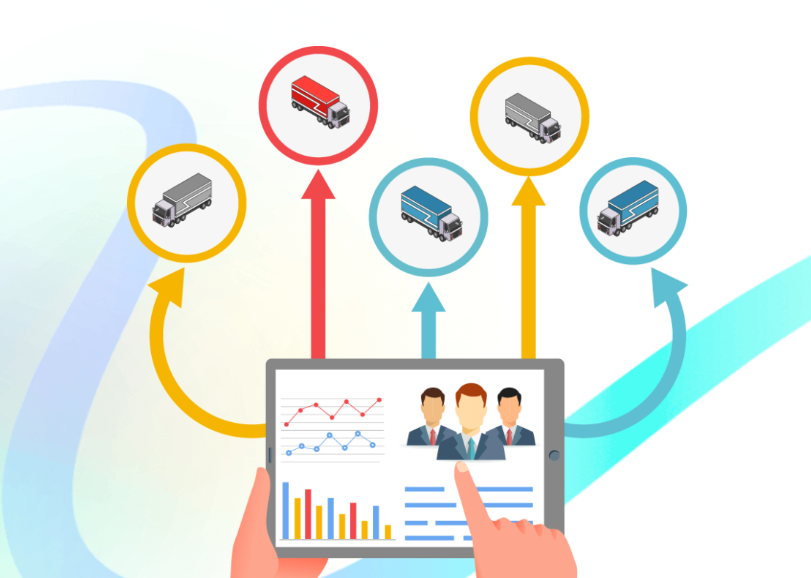
Once quotes are received and a carrier is selected, the next step is indent allocation, the formal assignment of the load to a specific carrier and vehicle.
In a manual process, this allocation happens through a phone call or a message, and it is easy for things to fall through the cracks. The carrier might not confirm in time. The vehicle details might not be shared correctly. The driver might not receive the right pickup instructions. Each of these gaps is a potential source of delay or error.
In a digital indent management system, allocation is handled within the platform. Once the shipper selects a carrier from the RFQ responses, the platform sends the assignment to the carrier automatically. The carrier confirms acceptance on the platform. They share the driver name, vehicle number, and contact details digitally. The logistics manager sees all of this in one place without making a single phone call.
Indent allocation in logistics also becomes easier to manage at scale. When you are handling 20 or 30 shipments a day across multiple plants or depots, a digital system ensures that every load has a confirmed carrier and driver before it is due to move. Gaps are visible on the dashboard. Unconfirmed indents are flagged automatically.
Why E-Indenting Software India Matters for Manufacturing Operations?
India's manufacturing logistics sector has some specific characteristics that make digital inventory management particularly valuable.
The carrier market is highly fragmented, with most transporters operating small fleets (Source: National Logistics Policy 2022; NITI Aayog - Fast Tracking Freight in India).
Compliance requirements add another layer of complexity. Every vehicle entering a plant needs to meet certain document standards, including valid registration, insurance, and fitness certificates. E-indenting software in India can integrate with government databases like VAHAN, and RoaDo’s FOS leverages this to automatically verify vehicle fitness, permits, and compliance before a load is assigned.
Rate volatility is also a persistent challenge. Fuel prices change. Carrier availability fluctuates by season. Without a structured RFQ process, manufacturers have no easy way to benchmark rates or identify when they are overpaying on a particular lane.
E-indenting software addresses all of these challenges in one workflow. It brings the carrier network onto a single platform, standardizes the rate discovery process, automates document verification, and creates a complete record of every indent from creation to dispatch.
The Time Savings Are Real and Measurable
One of the most immediate benefits that logistics teams report after adopting RFQ-based indenting is how much time it saves in the daily workflow.
Instead of spending the first two hours of the day calling transporters and waiting for confirmations, the logistics manager creates indents on the platform and lets the RFQ process run. Carriers respond within a set window. The manager reviews quotes, makes assignments, and moves on. The same work that used to take several hours can be completed in a fraction of the time. By digitizing the indent-to-invoice workflow, RoaDo has documented a 65% faster billing cycle and a 7–10 day reduction in days sales outstanding (DSO) for manufacturing clients.
There is also a downstream time saving in billing and reconciliation. Because every indent, quote, and assignment is recorded digitally, the documentation needed for invoice verification is already in the system. There is no need to reconstruct what was agreed from memory or old messages.
Conclusion
Indent management is not a back-office function. It is the starting point of every shipment, and the quality of that process determines how smoothly everything that follows will go.
RFQ in logistics brings structure, transparency, and competition to a process that has historically been informal and inconsistent. Indent allocation in logistics becomes faster, more accountable, and easier to manage at scale when it is handled through a digital platform.
For manufacturers and logistics teams looking to reduce delays and improve rate control from the very first step of the freight process, e-indenting software is one of the most practical investments available.
Digital systems like RoaDo unifies structured indent management and RFQ-based carrier selection within a single digital ecosystem, enabling faster, more transparent logistics execution.
Frequently Asked Questions (FAQs)
1. What is indent management in logistics?
It is the process of creating, assigning, and tracking transport requests from planning to dispatch.
2. What does RFQ mean in logistics?
RFQ stands for Request for Quotation, where carriers submit rates for a shipment.
3. How does RFQ-based indenting save time?
It eliminates manual calls by collecting and comparing carrier quotes in one place.
4. What is indent allocation in logistics?
It is the process of assigning a shipment to a specific carrier and vehicle.
5. Why is e-indenting software important in India?
It digitizes fragmented carrier networks and ensures faster, compliant, and transparent operations.
6. Can RFQ help reduce freight costs?
Yes, it creates competition among carriers, leading to more competitive pricing.
7. How does digital indenting improve visibility?
It records every step, providing a clear audit trail from request to dispatch.
8. Is indent management useful for small logistics teams?
Yes, it simplifies coordination and improves efficiency even for smaller operations.
“Streamline indenting with RFQ workflows using RoaDo to reduce delays and gain better rate control today.”