
Live Shipment Tracking: How It Works and Why Your Supply Chain Needs It
Key Highlights
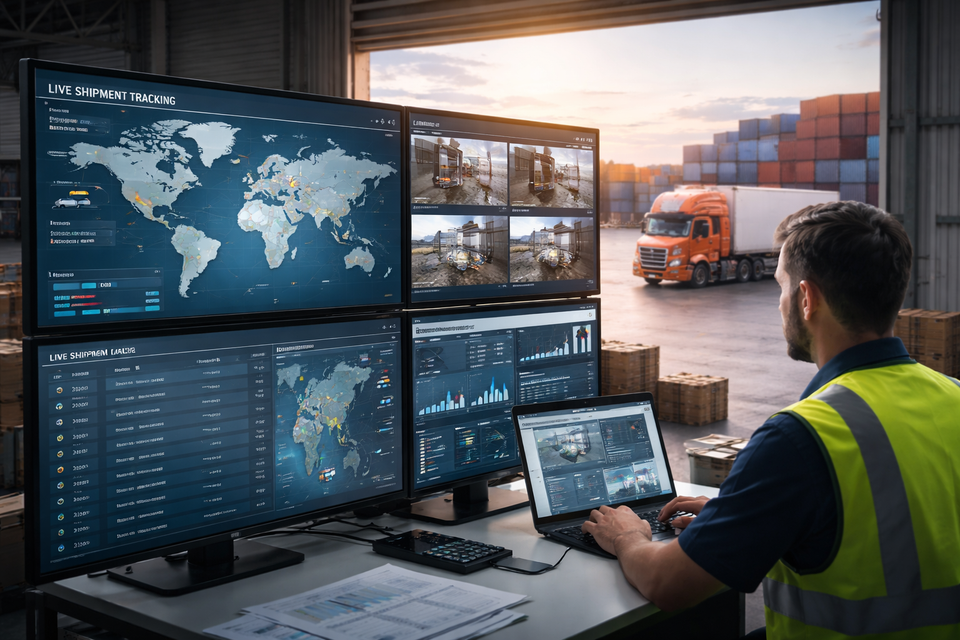
- Live shipment tracking gives logistics teams real-time visibility into freight movement, helping them catch problems early and keep supply chains running smoothly.
- Modern real-time freight tracking works without GPS hardware, using SIM-based technology and government database integrations to monitor shipments across routes.
- Live cargo tracking reduces delays, improves delivery accuracy, and helps manufacturers stay compliant with India's e-way bill requirements during transit.
- Automated shipment status updates eliminate the need for manual check-in calls, freeing up logistics teams to focus on exceptions rather than routine monitoring.
- Businesses that adopt live tracking see measurable improvements in inventory planning, customer communication, and freight cost management.
The Problem with Not Knowing Where Your Freight Is
There is a moment familiar to most logistics managers in Indian manufacturing. A shipment left the plant two days ago. The distributor is calling to ask where it is. You call the transporter. The transporter calls the driver. The driver says he is "almost there." Two hours later, nothing has arrived.
This kind of uncertainty is not just frustrating. It has real costs. Warehouses staff up for deliveries that do not come. Distributors run out of stock. Manufacturers pay penalty clauses for missed delivery windows. Finance teams cannot raise invoices because they are waiting on proof of delivery that has not arrived yet.
The root cause in most cases is the same: there is no live view of where the freight actually is. Decisions are being made based on guesswork, phone calls, and outdated information. And in a supply chain where timing matters, that gap between what you think is happening and what is actually happening is where most of the cost and chaos lives.
Live shipment tracking exists to close that gap entirely.
What Live Shipment Tracking Actually Means
Live shipment tracking is the ability to see the real-time location and status of a shipment as it moves from origin to destination. Unlike traditional tracking, which might give you a status update only when a driver calls in or a delivery is manually confirmed, live tracking provides continuous visibility throughout the journey.
This means you can see the following:
- Where the truck is right now, plotted on a map
- Whether it is on the planned route or has deviated
- How far it is from the destination and what the estimated arrival time is
- Whether it has stopped, and for how long
- Whether there are any exceptions, such as a delay, a route change, or a document issue, that need your attention
The key word here is "continuous." Live cargo tracking does not wait for someone to trigger an update. It feeds information in real time, so your logistics team always has a current picture of what is happening across all active shipments.
How Live Tracking Technology Works
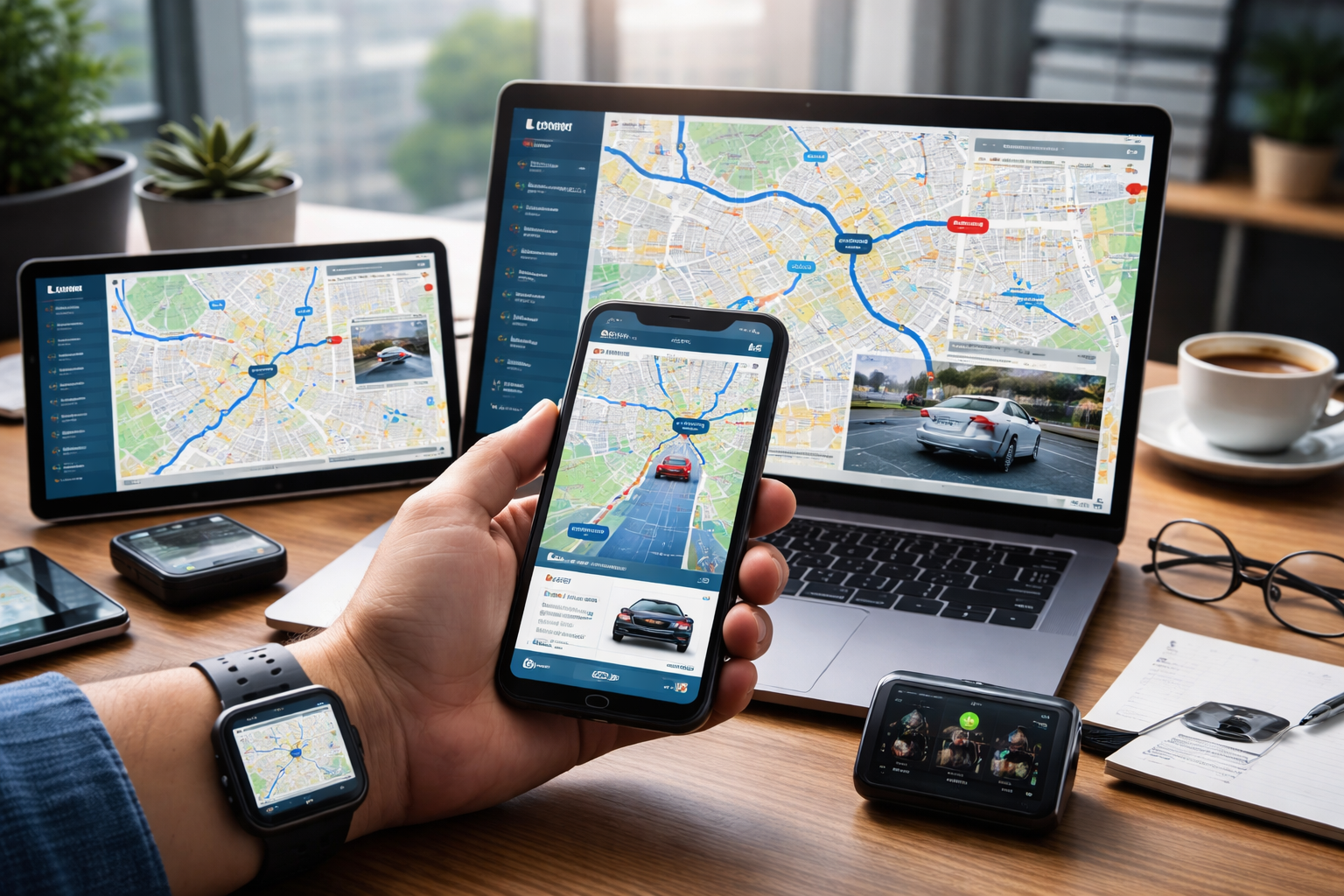
A common misconception is that live shipment tracking requires expensive GPS hardware installed in every vehicle. For manufacturers working with large third-party fleets, that assumption has been a major barrier to adoption.
Modern real-time freight tracking platforms have moved past this limitation entirely.
SIM-based tracking uses the mobile network to determine a vehicle's location without any device installation. The system tracks the driver's SIM card signal and maps the movement against the planned route. This works across the vast majority of Indian road networks and requires nothing from the transporter beyond a basic mobile phone.
Government database integration adds another layer of intelligence. Platforms connected to India's VAHAN database can verify vehicle registration, insurance, and fitness certificates before a trip even begins. Integration with GSTN allows the system to monitor e-way bill validity throughout the journey and alert the logistics team when a bill is approaching expiry, so extensions can be processed before goods are held up at checkpoints.
Browser-based updates allow drivers and fleet operators to confirm key milestones, such as loading completion, checkpoint crossings, and delivery, without needing a dedicated app. This keeps the barrier to participation low for small transporters who may not have smartphones with data plans.
Together, these technologies create a tracking system that delivers live cargo tracking at scale without the capital expense or logistical complexity of hardware installation.
Shipment Status Updates: From Manual to Automatic
In a traditional logistics operation, getting a shipment status update means someone has to make it happen. A logistics coordinator calls the driver. The driver reports his location. The coordinator updates a spreadsheet. Someone else checks the spreadsheet and asks for a follow-up call a few hours later.
This process works, after a fashion, when you are managing a handful of shipments. It breaks down completely when you are handling dozens or hundreds of trips at the same time.
Automated shipment status updates replace this manual cycle with a continuous feed of verified information. The system knows where the truck is, how that compares to the planned schedule, and what the current ETA looks like, without anyone having to ask. When something changes, the update appears on the logistics team's dashboard immediately.
More importantly, automated updates allow the system to generate alerts when something needs human attention. A truck that has been stationary for an extended period in an unexpected location. A shipment running two hours behind the planned arrival time. An e-way bill set to expire before the truck reaches its destination. These are the situations that require intervention, and the system flags them automatically so the team can act before a delay becomes a failure.
This shift from reactive to proactive management is one of the most significant practical benefits of live shipment tracking for manufacturing operations.
Why Indian Supply Chains Specifically Need Live Tracking
India's logistics environment has characteristics that make real-time freight tracking especially valuable compared to more mature markets.
Fleet fragmentation is one of the biggest factors. A large share of Indian trucking capacity is operated by small owners running fewer than five vehicles. These operators typically lack sophisticated fleet management tools of their own. A logistics platform that can track their vehicles through SIM-based technology, without requiring hardware investment, brings them into the digital supply chain without placing any burden on them.
Route complexity is another consideration. Many manufacturing shipments in India are not simple point-to-point movements. They involve multiple stops, depot transfers, and distribution legs that can span several days and thousands of kilometers. Live tracking across this kind of multi-stop journey requires a system that can handle complexity without losing visibility at any stage.
Regulatory compliance adds a layer that does not exist in the same form in most global markets. The e-way bill system under India's GST regime means that every major shipment carries a compliance document with an expiry window. If a vehicle is delayed and the e-way bill expires while goods are still in transit, the consequences can include fines and seizure of goods. Live cargo tracking that monitors e-way bill validity in parallel with physical location turns compliance from a risk into a managed process.
The Business Case for Live Shipment Tracking
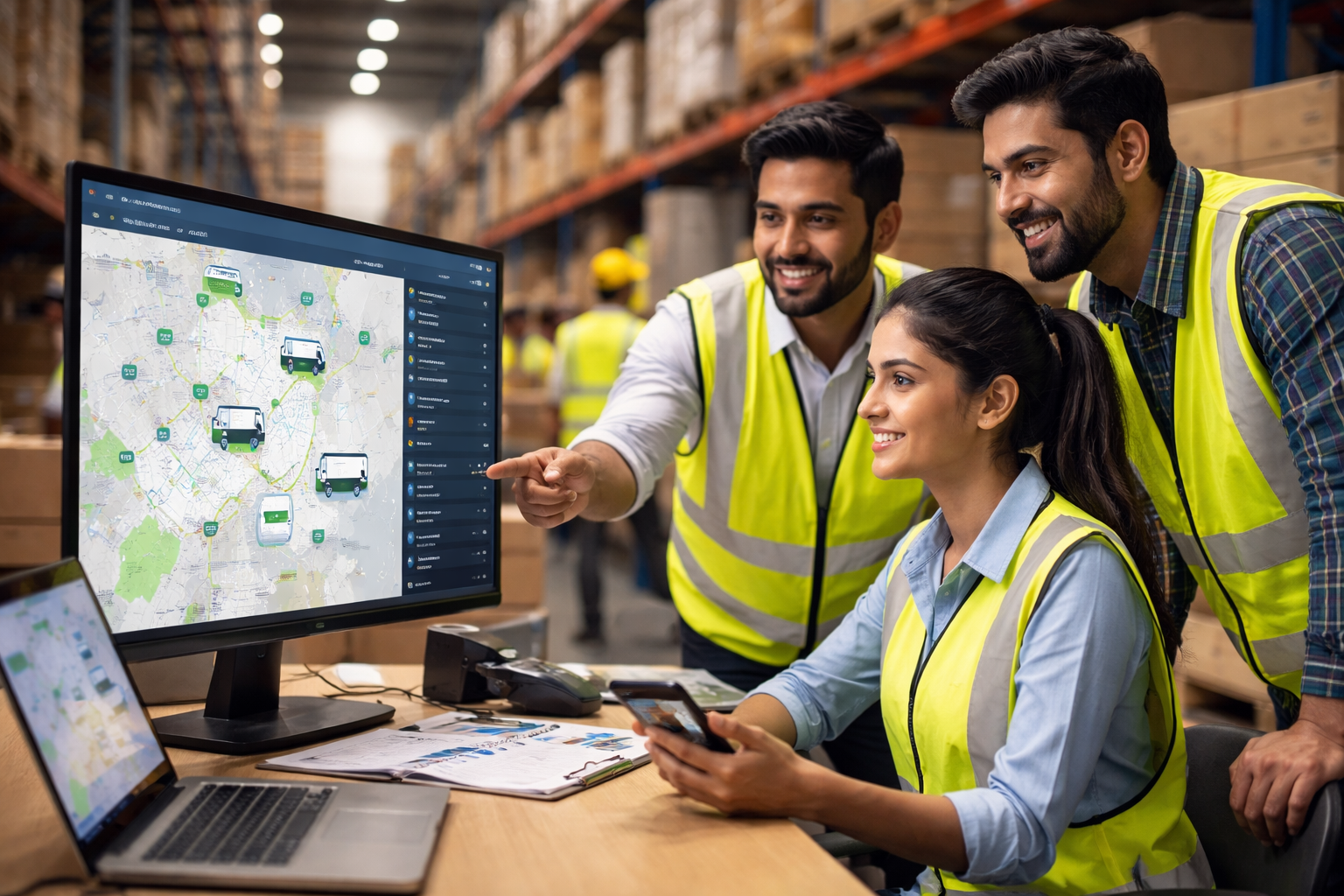
The operational benefits of live tracking translate directly into financial outcomes that are measurable and significant.
Reduced freight costs come from better route adherence and fewer delays. When deviations are caught early, they can be corrected before they compound into larger problems that require expensive rerouting or expedited shipments.
Lower inventory carrying costs are possible when delivery windows become more predictable. Manufacturers who can trust their inbound and outbound schedules do not need to hold as much safety stock. That working capital can be deployed elsewhere in the business.
Faster billing cycles result from digital proof of delivery that flows automatically into financial systems. Instead of waiting days or weeks for paper PODs to return from distant delivery points, invoices can be raised as soon as delivery is confirmed. This accelerates cash flow for manufacturers and, critically, for the transporters they work with.
Better customer relationships follow naturally from improved delivery reliability. When distributors and retailers can count on accurate ETAs and proactive communication about any changes, they plan their own operations with greater confidence. That reliability becomes a competitive advantage for the manufacturer.
What to Look for in a Live Shipment Tracking Platform
When evaluating platforms for real-time freight tracking, a few capabilities matter most for Indian manufacturing operations.
The platform should work without mandatory hardware installation. This is essential for maintaining flexibility across a fragmented third-party carrier base.
It should provide a single dashboard view across all active shipments, with clear exception alerts that surface issues without requiring someone to actively monitor every trip.
Compliance features, including e-way bill monitoring and VAHAN-based vehicle verification, should be built in rather than treated as add-ons.
The system should generate automated shipment status updates that reach all relevant stakeholders, including plant logistics teams, warehouse managers, and finance departments, without manual forwarding.
And the platform should integrate with existing ERP systems so that tracking data feeds into the operational and financial systems the business already relies on.
Conclusion
Live shipment tracking is not a luxury feature for large enterprises with sophisticated IT teams. It is a practical tool that addresses the real, daily challenges of managing freight in a complex and fast-moving supply chain environment.
For Indian manufacturers, the case is especially clear. The combination of fragmented carrier networks, multi-stop routes, and compliance requirements creates a level of operational complexity that manual coordination simply cannot keep up with. Real-time freight tracking, done well, converts that complexity into something manageable.
Platforms like RoaDo bring together live cargo tracking, automated shipment status updates, and compliance monitoring in a single system built specifically for the demands of India's manufacturing supply chain. The result is a logistics operation that spends less time reacting to problems and more time running the way it should.
Frequently Asked Questions
1. What is live shipment tracking?
Live shipment tracking provides continuous, real-time visibility into freight location and status as it moves from origin to destination without waiting for manual check-in calls.
2. Does live tracking require GPS hardware installation?
No. SIM-based tracking uses the driver's mobile network to monitor location, requiring nothing beyond a basic phone and no hardware investment from transporters.
3. How do automated shipment status updates help logistics teams?
They replace manual check-in calls with a continuous data feed, alerting teams only when exceptions occur so they can focus on resolving problems, not monitoring routine trips.
4. Why is live tracking especially important for Indian supply chains?
India's fragmented fleets, complex multi-stop routes, and e-way bill compliance requirements create challenges that manual coordination cannot handle reliably at scale.
5. How does live tracking reduce freight costs?
By catching route deviations and delays early, teams can correct issues before they escalate into expensive rerouting, missed delivery windows, or compliance penalties.
“Take control of your shipments with live tracking, real-time alerts, and complete visibility across every route. Start optimizing your supply chain with smarter, faster logistics today with Roado.”