
What Is a Shipment Tracking Solution? A Complete Guide for Indian Manufacturers
Key Highlights
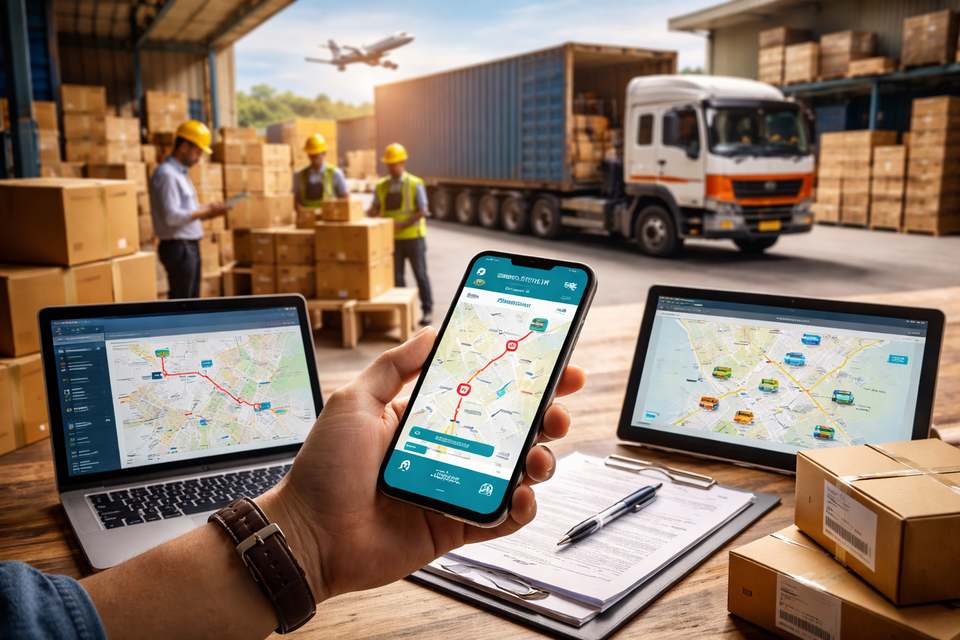
- A shipment tracking solution gives manufacturers real-time visibility into where their goods are at every stage of transit, reducing delays and improving planning.
- Indian manufacturers face unique challenges like e-way bill compliance, fragmented fleets, and multi-stop routes that make tracking more complex than in other markets.
- Modern cargo tracking software goes beyond location updates, covering compliance alerts, proof of delivery, and financial reconciliation in one platform.
- Hardware-free tracking using SIM-based technology is making logistics visibility more accessible to small and mid-sized transporters across India.
- Choosing the right logistics tracking platform can reduce freight costs, improve customer service, and help manufacturers free up working capital tied to excess inventory.
Why Shipment Tracking Has Become a Priority in Indian Manufacturing
Ask any logistics manager at a manufacturing company about their biggest daily headache, and the answer is usually some version of the same problem: they do not know exactly where their goods are, when they will arrive, or whether there is a problem that needs their attention right now.
This uncertainty creates a chain reaction. Warehouse teams cannot plan unloading schedules. Sales teams struggle to give accurate delivery commitments to distributors. Finance teams wait on paperwork before closing invoices. And when something goes wrong on the road, the first sign is often a missed delivery, not an early warning.
For Indian manufacturers specifically, this problem is magnified. The country's logistics sector is highly fragmented, with a large portion of freight handled by small transporters operating just a handful of trucks. Road infrastructure varies significantly across regions. And the regulatory environment, with e-way bills and GST compliance built into every major shipment adds complexity that most global tracking tools are not built to handle.
This is exactly why shipment tracking solutions have moved from a nice-to-have to a core operational requirement for manufacturers serious about running a tight supply chain.
What a Shipment Tracking Solution Actually Does
At its most basic level, a shipment tracking solution tells you where your goods are in transit. But modern platforms do a lot more than show a dot on a map.
Real-time location visibility is the foundation. You can see where a truck is at any given moment, whether it is on schedule, and whether it has deviated from the planned route. This alone helps logistics teams respond faster when something changes.
Automated alerts and exception management take visibility a step further. Instead of someone manually monitoring every trip, the system flags problems automatically. A truck stopped in an unusual location, a shipment running behind schedule, or an e-way bill nearing expiry: these are all exceptions that the platform surfaces before they turn into bigger issues.
Proof of delivery and documentation close the loop at the destination. Digital e-POD (electronic proof of delivery) captures delivery confirmation, notes any shortages or damages, and feeds that data back into your finance and reconciliation workflows. This speeds up billing cycles and reduces disputes with customers.
Compliance integration is where Indian-specific platforms add real value. Platforms that connect directly with GSTN for e-way bill management and VAHAN for vehicle document verification remove a significant manual burden from logistics teams. Instead of chasing paperwork, the system handles verification and alerts automatically.
The Difference Between Tracking Tools and a Logistics Operating System
There is an important distinction worth making here. Many cargo tracking software products on the market handle one part of the process well but leave the rest disconnected.
A standalone GPS tracker tells you where the truck is. A standalone invoicing tool handles billing. A compliance portal manages e-way bills. But when these are separate systems, your team ends up switching between them, manually transferring data, and filling the gaps with phone calls and spreadsheets.
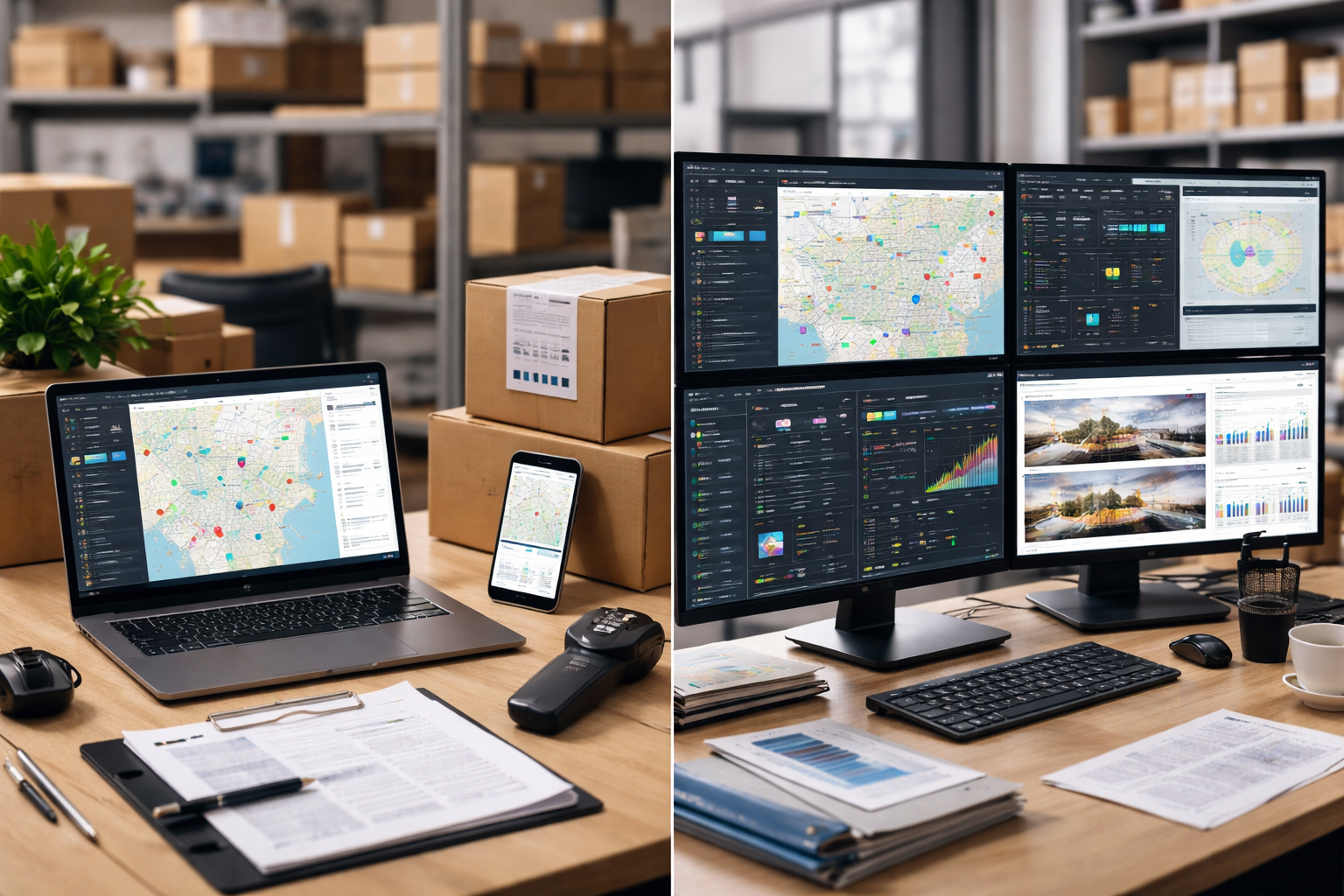
A logistics tracking platform that functions as an operating system ties all of these together. Dispatch, tracking, compliance, proof of delivery, and financial settlement happen inside the same workflow. Data flows automatically from one stage to the next. The result is not just better visibility but a faster, more accurate operation overall.
For manufacturers managing high shipment volumes across multiple plants and distribution points, the difference between a tracking tool and an integrated platform is significant. It is the difference between knowing where your goods are and actually being in control of your logistics.
How Indian Manufacturers Benefit from Real-Time Shipment Tracking
The practical benefits of real-time shipment tracking show up across multiple parts of the business.
Inventory planning becomes more reliable. When you know with confidence when a shipment will arrive, you can reduce the amount of safety stock you hold at warehouses. Lower inventory means less working capital tied up sitting on shelves, which has a direct impact on cash flow.
Customer service improves. In B2B manufacturing, your customer is often a distributor or a large retailer. They are planning their own operations around your delivery schedules. When you can give them accurate ETAs and proactively communicate delays, you build a stronger relationship and reduce the friction that leads to lost business.
Compliance risk goes down. Under India's GST regime, an expired or incorrect e-way bill during a shipment can result in penalties and even the seizure of goods. Platforms that monitor e-way bill validity throughout the trip and alert teams when an extension is needed eliminate a major source of financial risk.
Finance teams close faster. Digital proof of delivery feeds directly into billing workflows. Instead of waiting for paper documents to travel back from distant delivery points, invoices can be raised and reconciled much sooner. This accelerates payment cycles, which matters especially for smaller transporters managing tight cash flows.
What to Look for in a Cargo Tracking Software Platform
Not all tracking platforms are built for the same use case. Here is what Indian manufacturers should evaluate when choosing a solution.
Hardware requirements: Traditional fleet telematics require GPS devices to be installed in every vehicle. For manufacturers working with third-party fleets made up of hundreds of small operators, this is often impractical. Hardware-free tracking using SIM-based technology solves this by enabling visibility without any device installation, which is especially relevant when carriers are small operators without smartphones or dedicated GPS units.
Compliance capabilities: Make sure the platform integrates with GSTN for e-way bill management and VAHAN for vehicle verification. These are not optional features for Indian operations: they are essential.
Carrier network coverage: If you rely on third-party transporters, a platform that connects you to a broader network of verified carriers gives you more options when capacity is tight. Look for platforms with an active marketplace rather than just tracking functionality.
ERP integration: Your tracking platform should connect with the systems you already use, such as SAP or Oracle, so data does not have to be manually entered into multiple places.
Multi-stakeholder access: Manufacturers, transporters, distributors, and finance teams all need different levels of visibility into the same shipment. A good platform lets you control what each stakeholder sees without creating disconnected workflows.
Setup time and cost: Enterprise TMS platforms can take months to implement and require significant upfront investment. Platforms designed for quick deployment, with no hardware costs, are better suited for manufacturers who need to move fast.
The Role of AI in Modern Shipment Tracking

Artificial intelligence is changing what shipment tracking solutions can do, moving them from reactive tools to proactive systems.
AI-powered ETA prediction uses historical trip data and current conditions to estimate arrival times more accurately. This helps warehouses plan unloading schedules and reduces congestion at plant gates.
Automated exception alerts flag unusual behavior, such as extended stops, route deviations, or vehicles running behind schedule, without requiring a human to monitor each trip manually. Your team can then focus on resolving problems rather than detecting them.
Load matching and route optimization use AI to assign the right vehicle to the right job, reducing empty miles and improving fleet utilization. This benefits manufacturers, who get more reliable service, and carriers, who earn more per trip.
Getting Started with Shipment Tracking in Your Supply Chain
For manufacturers still relying on phone calls and spreadsheets to manage logistics, the shift to a digital tracking solution does not have to be overwhelming.
Start by mapping your current shipment flows: how many trips you handle per month, which routes are most critical, and where delays occur most often. This tells you where visibility will have the greatest immediate impact.
Look for a platform that requires minimal setup and can connect to your existing carrier network. A solution that gets your team running quickly is more valuable than a feature-rich platform that takes a year to deploy.
Prioritize compliance-ready features from day one, since e-way bill management and vehicle verification are non-negotiable in India.
Finally, make sure the platform can scale with you. As volumes grow and your supply chain becomes more complex, your tracking solution should grow with it.
Conclusion
For Indian manufacturers, shipment tracking is no longer a back-office concern. It sits at the center of supply chain reliability, compliance management, and customer satisfaction. The right logistics tracking platform brings together visibility, compliance, and financial control in a way that helps every stakeholder do their job more effectively.
Platforms like RoaDo are built with exactly this complexity in mind, combining real-time tracking, compliance automation, and end-to-end visibility into a single system designed for the realities of India's manufacturing logistics environment.
As the pressure to run leaner and more transparent supply chains continues to grow, investing in the right shipment tracking solution is one of the most practical steps a manufacturer can take today.
Frequently Asked Questions
1. What is a shipment tracking solution?
A shipment tracking solution gives manufacturers real-time visibility into freight location, compliance status, and delivery confirmation throughout the entire transit journey.
2. Do I need GPS hardware to track shipments in India?
No. Modern platforms use SIM-based tracking to monitor vehicles without any hardware installation, making it practical for manufacturers working with small third-party transporters.
3. How does shipment tracking help with e-way bill compliance?
Tracking platforms monitor e-way bill validity during transit and alert logistics teams before a bill expires, allowing timely extensions and avoiding penalties or cargo detention.
4. How does real-time tracking improve inventory planning?
Reliable delivery ETAs allow manufacturers to reduce safety stock at warehouses, freeing up working capital that would otherwise be tied up in excess inventory.
5. What is the difference between a tracking tool and a logistics operating system?
A tracking tool shows location only. A logistics operating system connects dispatch, compliance, proof of delivery, and financial settlement into one continuous, automated workflow.
"Stop losing time and money to shipment delays and compliance gaps. Get real-time visibility across every trip and take full control of your supply chain. Book a free demo today with Roado."